SEO keeps evolving, but backlinks remain a pillar of success. Every major search update shifts how Google evaluates links, yet websites with strong backlink profiles still win top rankings.
Marketers in 2025 face a more competitive landscape. Buying cheap links, spamming directories, or chasing quantity no longer delivers results. Instead, strategies built on authority, trust, and relevance drive real growth.
This guide gives you a clear roadmap. You will see how backlinks shape rankings, what makes a link valuable, and which tactics work best in today’s SEO world. By the end, you’ll know exactly how to build a backlink strategy that drives traffic, improves visibility, and grows your business.
What is Link Building in SEO and Why Does it Still Matter in 2025?
You want higher Google rankings. Backlinks remain one of the strongest signals for that goal. A backlink works like a recommendation. When a trusted site points to you, it tells Google your content deserves attention.
You gain more than search visibility. Strong links also bring referral traffic from readers who trust the source. That traffic often converts better than cold search visits.
Backlinks for SEO are not outdated. Studies still show pages with more referring domains dominate the first page of Google. Authority and trust flow through those links. Your site rises in visibility when you secure links from relevant and established domains.
A new website needs links to get discovered. An older site uses links to reinforce authority in its niche. In both cases, backlinks shape your position in the search results. Strong links also work best when combined with well-optimized pages. To make sure your site is ready, follow our on-page SEO checklist 2025.
How does Google view backlinks today?
Google treats a backlink as a vote of trust. A link signals that your content has value. Yet not all links hold equal weight.
Google looks at the source first. A link from a strong authority site counts more than dozens of weak links. Authority matters because it reflects trust in the wider web.
Relevance is the next filter. A backlink from a site in your niche carries stronger impact. For example, a marketing blog linking to an SEO guide looks natural. A gaming forum linking to a finance tool looks suspicious.
Placement also plays a role. A link inside the main body of content sends a clear signal. Footer or sidebar links often look manipulative and carry less value.
Google now uses machine learning to detect unnatural patterns. Networks of paid links, over-optimized anchors, or sudden spikes in backlinks raise red flags. The algorithm rewards natural growth supported by content quality.
Why are backlinks still a top ranking factor?
Backlinks remain vital because they signal trust to search engines. A site that earns strong links shows it provides real value. Search engines still rely on these signals to separate quality from noise. Professional link building services help businesses secure trusted mentions without shortcuts.
Studies confirm this. In a 2024 industry report, over 90% of pages with no backlinks failed to rank in the top 10 results. That number highlights how much weight links still carry.
Links also drive referral traffic. A mention on a high-traffic authority site can bring visitors who already trust the source. That trust often converts into sign-ups or sales.
Another reason backlinks hold power lies in competition. When two sites target the same keyword with similar content, the one with stronger backlinks usually wins. Google measures relevance, but backlinks tip the scale.
What role do links play for new vs. established websites?
New websites face an uphill climb. Search engines have no history or trust signals to evaluate. Backlinks act as proof that the site deserves attention. A handful of links from credible sources can help a new site move from obscurity into search visibility.
Established websites already benefit from domain authority. For them, backlinks help sustain momentum and defend rankings against rising competitors. In crowded niches like finance or software, strong link growth often separates leaders from followers.
You also need to consider link velocity. A new site that gains links too quickly may raise red flags. In contrast, a mature brand can handle faster link growth without risk.
Data from Ahrefs shows that over 66% of pages with no backlinks fail to earn any organic traffic. That applies even more strongly to new domains. Links remain the most effective shortcut for breaking into search results.
How does Google decide the value of a backlink?
Google does not treat every backlink the same. Some links carry strong weight, while others add little value. The difference comes from trust, relevance, and authority.
A backlink from a respected site in your industry signals real credibility. Search engines see that as a vote of confidence. On the other hand, a link from a random low-quality directory offers no real benefit.
Relevance plays a big role. If you run a fitness blog, a backlink from a health magazine adds far more value than one from a car forum. Google looks at context to judge how closely two sites match.
Authority also matters. Links from websites with high domain authority pass more ranking power. That is why brands often compete for mentions on large publications.
Anchor text tells Google what the linked page is about. A descriptive phrase like “SEO tools for small businesses” helps more than a generic “click here.” Still, over-optimized anchor text can look unnatural and raise flags.
Finally, placement affects value. A link within the main body of content is stronger than one in a footer or sidebar. Search engines assume in-content links carry more editorial weight.
What is domain authority and why does it matter?
Domain authority measures how much trust a website has in the eyes of search engines. Sites with strong authority often rank higher because they have earned quality backlinks over time.
When your site gets a backlink from a trusted domain, part of that authority passes to you. That transfer gives your content more ranking power. For example, a link from a major news outlet carries more weight than one from a small personal blog.
High domain authority also protects your site from algorithm shifts. Brands with strong authority can maintain visibility even when competition increases.
Does relevancy make a backlink stronger?
Relevancy is one of the most important factors. Google checks how closely the linking site matches your niche.
A backlink from a food blog to a cooking site adds real SEO value. A backlink from an unrelated site, like a car blog, adds little benefit.
Relevance shows search engines that the connection is natural, not forced. It also sends users to content they actually want. That relevance improves engagement, which strengthens your SEO signals.
How does link placement impact SEO value?
Placement changes the power of a backlink. Links inside the main article carry more value than links hidden in a sidebar or footer.
Google assumes that an in-content link is an editorial choice. That makes it more trustworthy. Links buried in menus or templates look automated and often pass less authority.
Placement changes the power of a backlink. Links inside the main article carry more value than links hidden in a sidebar or footer.
Google assumes that an in-content link is an editorial choice. That makes it more trustworthy. Links buried in menus or templates look automated and often pass less authority.
When you secure backlinks, aim for placement in the core body of the content. That position sends a stronger vote of confidence.
What is the best anchor text strategy in 2025?
Anchor text gives Google clear clues about your page. A balanced strategy in 2025 mixes exact keywords, branded terms, and natural phrases.
For example, linking with “SEO tools for startups” looks natural and targeted. Overuse of the same exact keyword anchor looks spammy and may trigger filters.
You should also avoid generic text like “click here.” Descriptive anchors help users and pass stronger SEO signals.
AI-driven ranking systems now analyze anchor text patterns with more detail than before. If you want to learn how generative AI shapes search behavior, check out our guide on AI search generative engine optimization.
What are the Most Effective Link Building Strategies in 2025?
Link building in 2025 looks different from a few years ago. Search engines now reward relevance, authority, and real value over quantity. A single backlink from a trusted source often carries more weight than dozens from low-quality sites.
You need strategies that strengthen credibility and bring consistent traffic. The best approach blends content creation, smart outreach, and digital PR. When done right, link building not only improves rankings but also positions your brand as a reliable source in your industry. For a complete breakdown of tactics that go beyond backlinks, explore our detailed off-page SEO guide.
Marketers ask: which methods actually work today? Below are the strategies that deliver results in 2025.
How do you create linkable assets that attract links naturally?
A linkable asset is content so useful that people want to share it. Examples include guides, research reports, infographics, and free tools.
When you publish content that solves real problems, websites in your niche link to it as a reference. For instance, a detailed “SEO trends in 2025” report can attract dozens of backlinks from marketers and agencies.
Your goal is to create resources that people cannot ignore. Focus on accuracy, unique insights, and clear presentation. Natural backlinks flow when your content offers real value.
Why should you analyze competitor backlinks first?
Competitor backlinks reveal opportunities you may miss. If a site links to your competitor, there is a good chance it will link to you if your content is stronger.
Tools like Ahrefs, Semrush, or Moz allow you to scan competitor profiles. You can then target the same websites with your own pitch.
Analyzing backlinks also helps you avoid weak sources. Instead of wasting time on low-value links, you see where authority and relevance already exist. That research gives you a roadmap to win links faster.
How can blogger outreach help you get authority links?
Blogger outreach connects you with influential voices in your niche. When bloggers link to your site, you gain both authority and exposure.
You start by identifying blogs that match your industry. Then you pitch them with valuable content, such as expert insights or guest articles.
Blogger outreach works because the links come from real editorial content. Search engines view these backlinks as genuine votes of confidence. You also reach new readers who trust the blogger’s opinion.
Is guest posting still effective in 2025?
Yes, guest posting remains one of the strongest strategies. Writing for authority sites in your industry positions you as an expert while earning a backlink.
The key in 2025 is quality. Google ignores spammy guest posts on unrelated sites. You must target relevant publications with strong reputations. A trusted guest posting service can help you connect with the right sites and avoid risky placements.
A single post on a high-authority site can bring lasting SEO value, referral traffic, and brand recognition. Guest posting works when you aim for credibility, not volume.
How can broken link building drive quick wins?
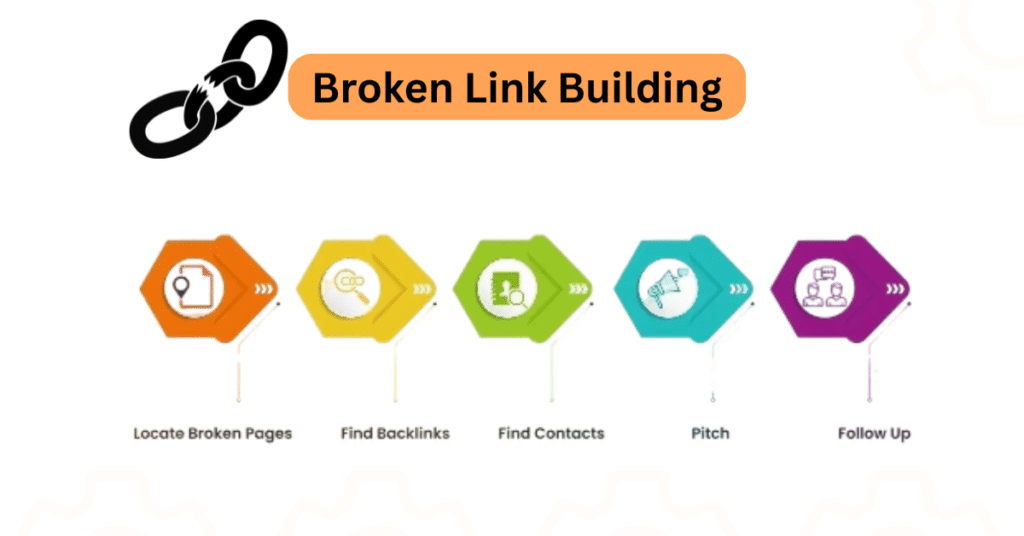
Broken link building is a smart way to earn links fast. Many websites have outdated or dead links. You can offer your content as a replacement.
First, use tools like Check My Links or Ahrefs to find broken links on sites in your niche. Then contact the site owner, show them the broken link, and suggest your resource as the fix.
This approach creates a win-win. The site owner repairs their page, and you earn a backlink. Because you provide a solution, success rates are higher than cold pitches.
What is the process for turning unlinked brand mentions into backlinks?
Sometimes websites mention your brand but forget to link. These unlinked mentions are quick opportunities to gain backlinks.
Set up alerts with tools like Google Alerts or Ahrefs to track your brand name. When you find mentions without a link, reach out politely and request one.
Most publishers agree because the link improves user experience. This strategy builds links quickly without creating new content.
How does digital PR create high-authority coverage and links?
Digital PR combines public relations with SEO. You create stories, reports, or surveys that news sites and industry blogs want to feature.
For example, if you publish original research on consumer behavior, journalists may cite it in their articles. Each mention often comes with a backlink from a trusted media outlet.
Digital PR links are powerful because they come from high-authority sources. They not only boost rankings but also increase brand visibility across multiple channels.
Is Buying Backlinks Still Safe in 2025?
Buying backlinks continues to spark debate in 2025. Some business owners see it as a fast way to climb search results, while others avoid it because of the risks. The truth lies in between. Paid links can still deliver results, but only when used carefully and within Google’s rules. A careless approach may lead to penalties that cost far more than any short-term gain.
What risks do paid backlinks carry?
Paid backlinks can damage your site if they come from spammy sources. Google’s algorithms detect unnatural link patterns faster than before. A sudden spike of low-quality links can trigger penalties that lower your rankings.
Cheap backlinks from link farms or random blogs may also dilute your authority. Instead of building trust, they send a signal that your site is trying to game the system. The result could be lost traffic, wasted money, or even a manual action against your domain.
How do you buy backlinks without penalties?
You reduce risk when you focus on relevance and editorial standards. A safe paid link looks natural to both readers and search engines.
For example, sponsored content or branded mentions on authority websites fall under accepted practices. The key is transparency. Use proper attributes such as rel=”sponsored” or rel=”nofollow” when needed. Google treats these signals as hints instead of spam flags.
Another way to protect yourself is to diversify your link profile. Paid links should not make up the majority of your backlinks. Mix them with earned links from outreach, guest posting, and digital PR. A balanced profile looks organic and avoids red flags.
Which paid placements count as ethical and Google-compliant?
Ethical paid placements give value to readers while still providing exposure for your brand. Examples include:
- Sponsored posts on respected blogs.
- Niche-relevant advertorials with full disclosure.
- Partnerships with online magazines or industry directories.
Google allows these placements as long as they are transparent. When links appear naturally inside quality content, they help your site without violating guidelines. The focus should be on building awareness and authority, not just passing link equity.
Smart investment in ethical placements can still give your website a boost in 2025.
What Tools Can You Use for Link Building Success?
The right tools make link building faster, smarter, and more effective. They help you find backlink opportunities, track progress, and avoid harmful links. In 2025, marketers rely on a mix of free and paid platforms to guide their strategy and stay ahead of competitors.
How can Google Search Console help track backlinks?
Google Search Console is a free tool every website owner should use. It shows which sites link to your domain, how many links you have, and which pages attract the most backlinks. This data helps you understand which content earns trust and authority.
You can also spot harmful or spammy links inside the console. If you notice links from poor-quality websites, you can disavow them to protect your rankings. Google Search Console gives you a clear picture of your backlink profile without guesswork.
Why use Ahrefs and SEMrush for competitor analysis?
Ahrefs and SEMrush are two of the most powerful SEO tools today. Both let you analyze your competitors’ backlink profiles in detail. You can see which sites link to them, what anchor texts they use, and which pages perform best.
This insight helps you target the same sources. If a high-authority site links to your competitor, it may also link to your content if you provide more value. Competitor analysis with Ahrefs and SEMrush saves time and gives you a proven roadmap for link building.
What role does Moz Link Explorer play in link research?
Moz Link Explorer is useful for checking the strength of backlinks. It provides metrics like Domain Authority (DA) and Page Authority (PA), which estimate how powerful a website is in search engines.
You can use these scores to judge if a backlink will add real value. High-DA links usually boost rankings more than links from weak sites. Moz also lets you compare your link profile with competitors to spot gaps and opportunities.
How can Screaming Frog uncover broken link opportunities?
Screaming Frog is a crawler that scans websites for errors. One of its most valuable features is finding broken links. When you discover a broken link on another site, you can suggest your content as a replacement.
This method helps both sides. The site owner fixes a problem, and you gain a backlink. Screaming Frog makes the process simple by showing broken links quickly across large websites.
Which outreach tools streamline link prospecting?
Outreach tools save time when you need to contact website owners. Platforms like Pitchbox, BuzzStream, and Hunter help you find email addresses, send personalized pitches, and track replies.
Instead of handling every email manually, you can manage outreach campaigns at scale. The key is to keep your messages personal and relevant, even when using tools. Smart outreach backed by the right software increases your chances of earning quality backlinks.
How Do You Measure Link Building ROI in 2025?
Every smart marketer asks the same question: Is link building paying off? In 2025, you cannot just count backlinks. You need to measure the real impact on traffic, rankings, and revenue. ROI proves if your efforts bring results or waste resources.
Tracking ROI also helps you refine strategy. Strong metrics show which campaigns drive growth and which ones fall flat. By focusing on measurable outcomes, you make link building a business investment instead of a blind expense. A regular SEO audit service gives you the data to check backlink quality, traffic gains, and risks before they harm your site.
Which KPIs prove your link building is working?
Key performance indicators (KPIs) show if your backlinks deliver results. The most important ones include domain authority, referring domains, and keyword rankings. When authority grows and more trusted sites link to you, it signals progress.
You should also watch conversion rates. Backlinks that send traffic but bring no leads have limited value. Strong KPIs balance both visibility and business growth.
How should you track organic traffic and keyword movement?
Organic traffic tells you if backlinks improve visibility. When your content earns links, rankings rise and more people visit your site. Use tools like Google Analytics and Ahrefs to track keyword positions and traffic growth.
Look for upward trends. If your main pages move higher in search results after gaining links, your campaign works. Keyword movement paired with organic growth is one of the clearest ROI signals.
What role does referral traffic play in evaluating backlinks?
Referral traffic shows how many visitors come through a backlink. A link on a popular blog or magazine often sends direct clicks to your site. This proves the link is valuable not only for SEO but also for real engagement.
High referral traffic also means you reached the right audience. Links that send qualified visitors build trust and can lead to sales. Always track referral numbers to judge the true impact of backlinks.
How do you run regular backlink audits to stay safe?
Backlink audits protect your site from harmful links. Tools like SEMrush, Ahrefs, and Moz highlight spammy domains pointing to your pages. If you see low-quality or irrelevant sources, you can disavow them through Google Search Console.
Running audits on a regular basis keeps your link profile healthy. A clean profile supports long-term rankings and reduces the risk of penalties. Strong ROI depends on both gaining quality links and removing bad ones.
Final Thoughts: What is the Future of Link Building Beyond 2025?
Link building will keep evolving. Google’s updates grow smarter every year, and shortcuts that once worked no longer bring results. The future belongs to strategies that build trust, authority, and lasting value.
Why will content quality and authority links dominate?
Content quality will matter more than ever. Search engines reward pages that solve real problems and deliver clear answers. When your content earns trust, authority websites link to it naturally.
Links from strong sources will carry the most weight. A single link from a respected publication may do more than dozens of weak backlinks. The focus will shift from quantity to authority and relevance.
How will AI and spam updates change backlink strategies?
AI makes Google faster at spotting manipulative patterns. Spam updates already punish unnatural link schemes, and future changes will tighten rules even more. Buying links from low-quality sources will become riskier.
At the same time, AI tools can help marketers find link opportunities faster. They can analyze large datasets, uncover trends, and highlight potential partners. Smart use of AI will improve efficiency while keeping strategies safe.
What should your long-term link building roadmap look like?
Your roadmap should focus on building assets that attract links for years. That means publishing evergreen guides, research studies, and unique insights that others want to reference.
Outreach and partnerships will stay essential. Build relationships with bloggers, journalists, and industry leaders. Those connections create a steady flow of natural backlinks.
Long-term success will come from a balanced strategy: quality content, ethical outreach, authority partnerships, and ongoing audits. When you plan for the future, your link profile stays strong no matter how algorithms change.