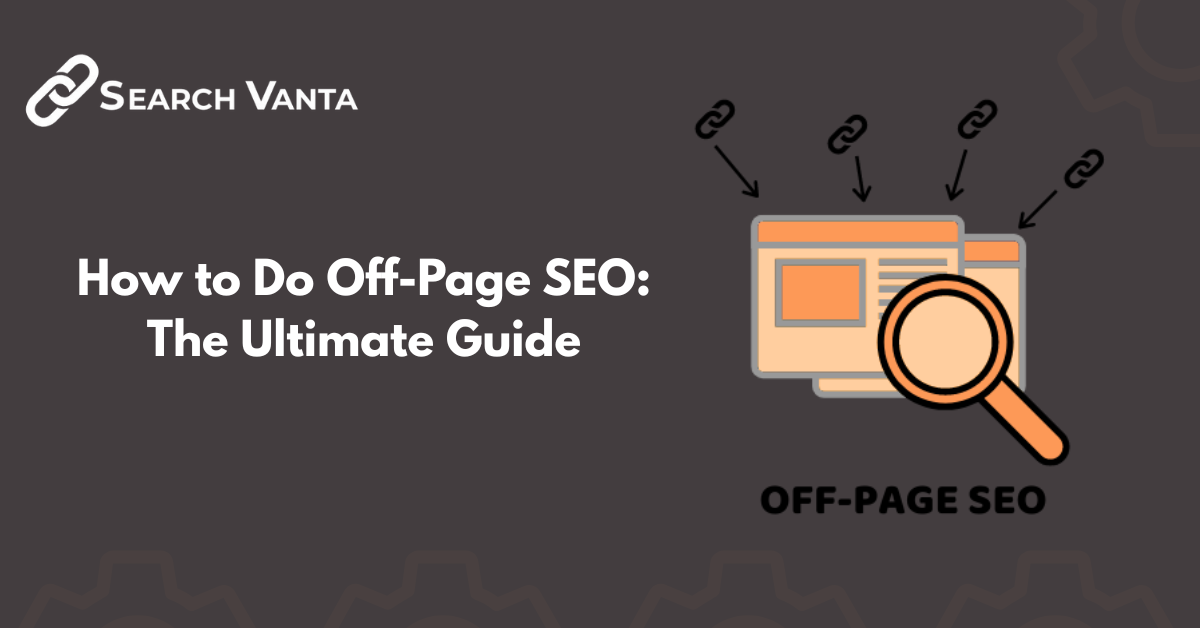
Off-page SEO refers to the actions you take outside your website to improve rankings. While on-page SEO focuses on optimizing content, site speed, and structure, off-page SEO builds authority and trust through external signals.
Search engines like Google look at backlinks, brand mentions, reviews, and social engagement to decide if a site is credible. When your website earns a backlink from an authority site, Google treats it as a vote of confidence. The stronger and more relevant the site linking to you, the higher the impact on rankings.
Citations in business directories also strengthen visibility. Accurate listings confirm to search engines that your business is legitimate and consistent across the web.
Other elements, such as customer reviews, social signals, and unlinked brand mentions, help search engines assess reputation. A study by Moz highlights backlinks and brand authority as two of the most influential off-site ranking factors.
In short, off-page SEO works by creating trust signals beyond your site, which search engines then use to measure relevance, authority, and reliability.
Why Is Off-Page SEO Important for Rankings in 2025?
Off-page SEO plays a direct role in how search engines measure the trust and authority of your website. In 2025, ranking is no longer just about technical fixes or on-page improvements. Google and other search engines continue to prioritize websites that show authority, credibility, and strong relevance across the web.
When other trusted websites point back to your pages, it acts like a vote of confidence. A strong backlink profile not only helps you rank higher but also drives referral traffic and builds your brand presence beyond search. This is why a balanced SEO approach should always combine on-page improvements with off-page SEO strategies.
For example, services like our Link Building package help businesses create high-quality, white-hat backlinks that boost rankings safely. Pairing this with a thorough Website SEO Audit ensures your site is technically sound before you scale your off-page efforts.
According to Ahrefs, more than 90% of websites get little to no traffic from Google, mainly because they lack quality backlinks. This shows how important off-site factors are in deciding which sites appear on the first page.
By investing in strategies such as digital PR, guest posting, and content partnerships, you can secure natural mentions and links from authority websites. These signals tell search engines your content is trustworthy, which gives you a competitive edge.
What Is the Difference Between On-Page SEO and Off-Page SEO?
Search engine optimization has two sides: on-page SEO and off-page SEO. Both play different roles but work best when used together.
On-Page SEO Explained
On-page SEO covers everything you control directly on your website. It involves keyword targeting, internal linking, and content quality. It also includes technical elements like site structure, meta descriptions, and speed optimization. If you want to see a detailed breakdown, check out our on-page SEO services.
When you refine titles, adjust headers, and make your content easier to read, you’re practicing on-page SEO. Search engines use these signals to understand what your site is about.
Off-Page SEO Explained
Off-page SEO focuses on factors outside your website. It builds trust, authority, and visibility. Link building, guest posting, online reviews, citations, and social engagement are all examples. A strong off-page SEO strategy makes your site more credible in the eyes of both users and search engines.
You can also see how search engines define off-site signals by reviewing Google’s Search Central documentation.
How They Work Together
On-page SEO acts as your foundation. Without optimized content, metadata, and structure, your site won’t rank well. Off-page SEO signals, on the other hand, push your site higher by showing external proof of authority.
A website with solid on-page SEO but weak off-page efforts will struggle against competitors with strong backlinks and brand mentions. At the same time, a site with strong off-page SEO but poor on-page work will fail to deliver a good user experience.
The smartest strategy is balance. You need on page and off page SEO working in harmony if you want lasting results.
Which Off-Site Elements Impact SEO the Most?
Off-page SEO relies on signals that come from outside your website. Each of these signals tells search engines how trustworthy and relevant your site is. Some elements carry more weight than others, and ignoring them can hurt your rankings.
Backlinks
Backlinks remain the strongest off-site factor. A link from a high-authority website signals that your content deserves attention. Not all backlinks are equal, though. Search engines measure quality by looking at the relevance and authority of the linking site.
If you want consistent results, consider professional link building services that focus on quality placements. You can also expand with niche-specific methods like SaaS link building.
Directory Listings
Business listings on trusted directories also matter. They improve your visibility in local search and provide valuable citations. Search engines use these listings to verify your company information. A strong profile across directories ensures accuracy and consistency.
For local businesses, citation building services are key to keeping NAP (name, address, phone number) details uniform across the web.
Online Reviews and Ratings
Reviews influence both users and search engines. A business with positive reviews looks more credible and ranks better in local results. Managing feedback on platforms like Google Business Profile and Yelp builds trust.
If you work in industries like law firm SEO or restaurant SEO, reviews can make or break your visibility.
Social Signals
Engagement on social platforms, such as shares and mentions, increases brand awareness. While social signals are not direct ranking factors, they help your content reach a larger audience. This exposure can lead to natural backlinks.
Strong content distribution through channels like LinkedIn and Twitter makes your brand more discoverable. To understand more, see Moz’s guide on social signals.
Brand Mentions
Even without a link, brand mentions show search engines that people recognize your business. Positive mentions across blogs, forums, and news sites build credibility. Google views these references as a sign of authority.
Consistent efforts in content marketing can increase how often your brand gets referenced across the web.
What Are the Best Tools for Off-Page SEO?
You need the right tools to manage off-page SEO effectively. These tools help track backlinks, monitor brand mentions, manage reviews, and analyze competitors. Without them, it’s hard to see what works and what needs improvement.
Ahrefs
Ahrefs is one of the most trusted SEO tools for backlink analysis. You can check who links to your site, track lost links, and analyze competitors’ link profiles. Ahrefs also helps you identify strong guest posting opportunities.

SEMrush
SEMrush offers a full suite of features, including backlink tracking, competitor research, and brand monitoring. Its “Link Building Tool” helps create campaigns that target quality placements.

Moz Link Explorer
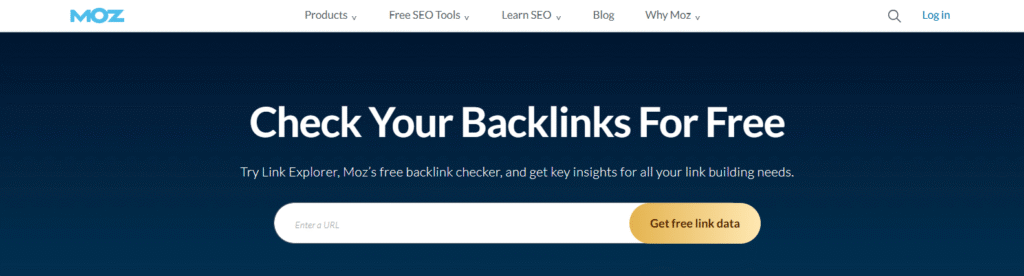
Moz provides insights into domain authority, anchor text distribution, and link quality. It’s also useful for spotting spammy links that could harm rankings.
Google Business Profile
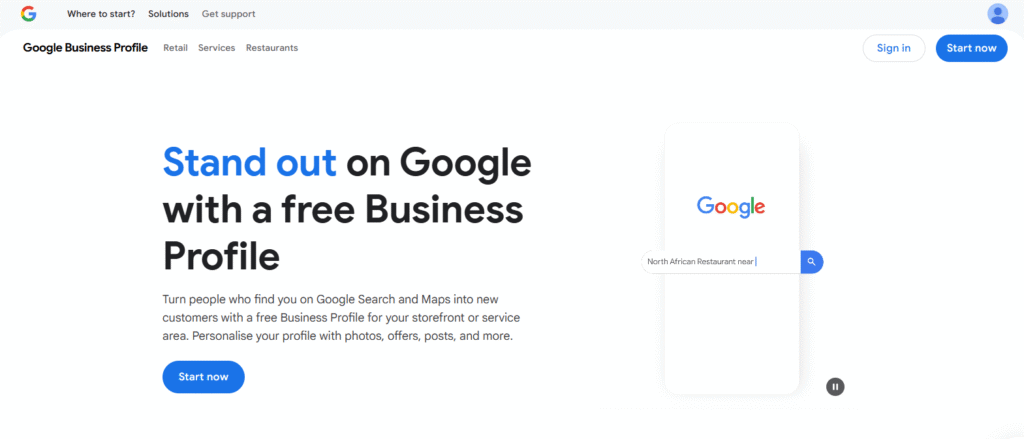
If your business depends on local traffic, managing your Google Business Profile is essential. It lets you monitor reviews, update listings, and engage with customers.
For those who need more structured support, local SEO services can keep your profile active and consistent across directories.
BuzzSumo
BuzzSumo helps track brand mentions, trending topics, and content that gets the most engagement. This makes it easier to build relationships with influencers and earn natural backlinks.
BrightLocal
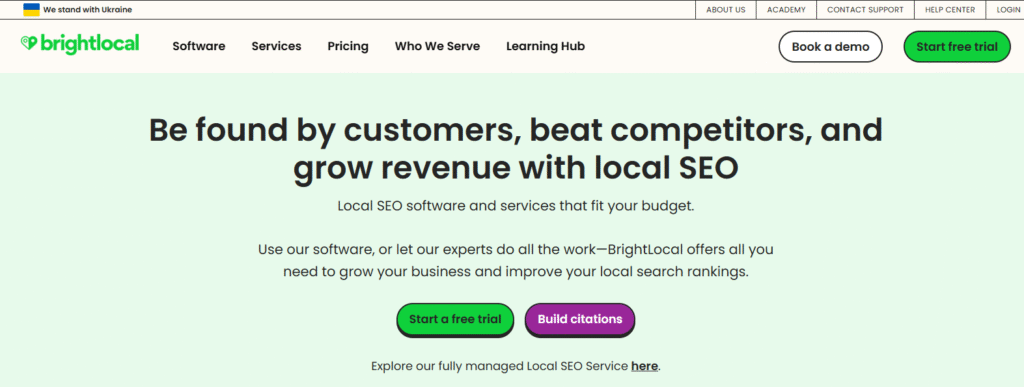
BrightLocal is designed for businesses that rely on local search. It tracks citations, reviews, and local rankings, making it a strong choice for industries like dental SEO services or real estate SEO services.
How to Do Off-Page SEO (Step-by-Step Guide)
Off-page SEO goes beyond your website. It’s about building authority, trust, and visibility across the web. Follow these steps to strengthen your site’s reputation.
Build Quality Backlinks
Backlinks remain the foundation of off-page SEO. Focus on links from niche-relevant, high-authority websites. Avoid spammy or low-quality directories, as they can hurt rankings.
Optimize Business Directory Listings
Adding your website to trusted business directories improves visibility and local SEO. Keep your NAP (Name, Address, Phone) consistent across all platforms. Tools like Moz Local and BrightLocal can help streamline this process.
Manage Online Reviews
Positive reviews boost trust and influence search visibility. Encourage happy clients to leave feedback on platforms like Google Business Profile and Yelp. Responding to reviews—both positive and negative—shows credibility.
Boost Social Signals
Social activity isn’t a direct ranking factor, but it drives brand visibility and referral traffic. Share content on platforms like LinkedIn, X, and Facebook to expand reach. You can also integrate this with your content promotion strategies outlined in our SEO Content Marketing Services.
Strengthen Brand Mentions
Even without links, brand mentions help search engines understand your authority. You can track these with Google Alerts or Ahrefs. Actively engaging in PR campaigns, guest posting, and industry collaborations also increases brand visibility.
Advanced Off-Page SEO Strategies for 2025
Off-page SEO in 2025 is more than just building links. Search engines now value trust, authority, and brand visibility across multiple channels. By combining traditional methods with new strategies, you can strengthen your online reputation and gain long-term results.
1. Focus on E-E-A-T (Experience, Expertise, Authoritativeness, Trustworthiness)
Google continues to prioritize content and websites that demonstrate strong E-E-A-T signals. This means building high-quality backlinks, earning mentions from credible sources, and showcasing expertise through guest contributions, podcasts, or industry features. You can learn more in Google’s Search Quality Rater Guidelines.
2. Digital PR for Link Building
Digital PR is becoming one of the strongest ways to gain editorial backlinks. By creating newsworthy content, reports, or surveys, your brand can earn placements in top publications. For example, a small business can publish industry research and get cited by news outlets.
3. Brand Collaborations & Influencer Partnerships
Collaborating with influencers or niche brands helps you gain organic backlinks, social signals, and brand mentions. Influencers not only increase visibility but also build trust with audiences who value their recommendations.
4. Podcast Guesting & Webinars
Being featured as a podcast guest or hosting webinars helps expand your reach, while also building authority. Many podcasts link to guest websites, giving you high-quality backlinks and exposure to new audiences.
5. AI & Content Syndication
AI-generated insights, when used properly, can help create data-driven reports that attract backlinks. Also, syndicating your best-performing content to platforms like Medium, LinkedIn Articles, or industry forums gives you stronger brand presence.
We also cover AI-driven SEO tactics in our SEO Blog.
6. Community Building & User-Generated Content
Building an active community around your brand (forums, social groups, or Discord/Slack channels) encourages user-generated content and organic mentions. This signals trust and authority to search engines.
7. Video & Visual SEO
With platforms like YouTube and TikTok dominating, video SEO is an advanced off-page strategy. Optimized video descriptions, branded visuals, and embedded links can drive traffic while strengthening your backlink profile.
Final Thoughts + How to Get Expert Help
Off-page SEO is more than just backlinks. It’s about building authority, trust, and relevance across the web. When done right, it not only boosts your rankings but also helps you stand out from competitors.
If you want to strengthen your digital presence but don’t have the time to handle it all yourself, working with an SEO agency like SearchVanta can save you time and deliver long-term results. From link building services to complete SEO optimization services, we handle every part of your off-page strategy so you can focus on running your business.