You want your business to show up when people search on Google. That is where SEO, or search engine optimization, comes in. SEO in digital marketing is the process of improving your website so it ranks higher in search results and attracts the right audience Google Search Central.
In 2025, SEO is no longer just about keywords. Search engines now focus on user intent, mobile-first indexing, AI-driven results, and website experience. If your site answers what people are searching for, loads fast, and builds trust, it stands a stronger chance of ranking.
So, what is SEO and how does it work today? More importantly, how does SEO help in digital marketing strategies that drive growth, leads, and sales? In this guide, you will learn the definition of SEO, how it works step by step, its benefits for business, and the strategies you need to stay ahead in 2025.
What Is SEO in Digital Marketing?
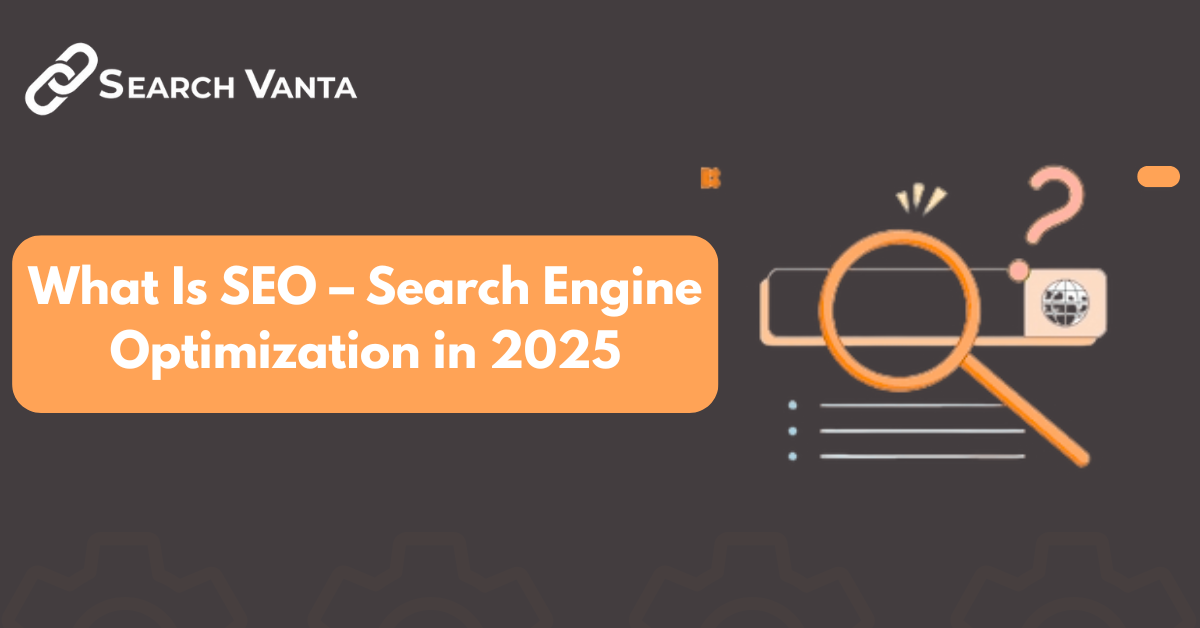
SEO stands for search engine optimization. It is the process of making a website more visible in organic search results on Google, Bing, or other search engines. When people search for products or services, SEO helps your business appear higher in those results.
You can think of SEO marketing as a way of connecting your business with people who are already looking for what you offer. Unlike paid ads, SEO in digital marketing focuses on earning traffic naturally. That means more clicks, more trust, and more long-term results without paying for every visit.
In simple terms, SEO in marketing means improving three key areas:
- On-page SEO – content, keywords, titles, and meta tags.
- Off-page SEO – backlinks, authority, and online reputation.
- Technical SEO – site speed, mobile usability, and indexing.
Search engine optimization in digital marketing works like a bridge. It links your website to the right audience by proving your site is relevant, trustworthy, and easy to use. When done right, SEO helps your business stand out in competitive search results and turn clicks into customers.
What Does SEO Mean in Marketing Terms?
In marketing, SEO means improving how your business shows up in search results. It is about making your website visible to the right people at the right time. Instead of pushing ads, SEO attracts customers through valuable content and optimized pages.
SEO in marketing focuses on three core goals: visibility, relevance, and authority. Visibility helps your brand appear where people search. Relevance ensures your content matches their needs. Authority builds trust through backlinks and expertise Moz SEO Basics.
How Is SEO Different From Traditional Advertising?
SEO works by pulling people in, while traditional advertising pushes messages out. When you run ads, you pay for space and hope the audience notices. With SEO, your website earns visibility by showing up naturally in search results Ahrefs SEO vs Ads.
Traditional advertising stops once the budget runs out. SEO, on the other hand, keeps delivering results over time. A single optimized page can drive traffic for months or even years without extra cost. Advertising creates quick attention, but SEO builds lasting visibility and trust.
For marketers, the big difference lies in intent. Ads interrupt the audience, but SEO connects with people already searching for solutions. That intent makes SEO traffic more valuable and more likely to convert.
Why Is SEO Important for Businesses in 2025?
You need SEO in 2025 because search drives most online discovery. When people look for products, services, or answers, they trust Google results more than ads. A strong SEO strategy places your business in front of that audience at the exact moment they need you.
Competition is tougher today. Brands that ignore SEO lose visibility to competitors who invest in it. Studies show that websites ranking on the first page capture over 90% of search traffic. Without SEO, your business misses out on leads, sales, and long-term growth.
SEO also saves money. Unlike paid ads, which stop when the budget ends, organic rankings continue bringing traffic. That long-term return makes SEO one of the most cost-effective marketing strategies for 2025.
How Does SEO Work Step by Step?
SEO works through a series of steps that search engines use to find, understand, and rank your website. You cannot rank without going through each stage. From crawling to indexing and ranking, each step decides how visible your site becomes in search results.
What Are Crawling, Indexing, and Ranking in Search Engines?
Search engines start with crawling. Google’s bots, also called spiders, move across the web, scanning links and collecting data from websites Google Search Central: Crawling & Indexing.
The next step is indexing. Here, the search engine stores your pages in its massive database. Clean code, fast loading, and optimized content make indexing smoother.
Finally comes ranking. Google compares your page with millions of others and decides where to place it in search results. Pages with relevant keywords, strong backlinks, and useful content rank higher.
How Does Google Decide Which Pages to Show First?
Google uses hundreds of signals to pick the top results. The main factors include relevance, authority, and user experience. A page that matches search intent and offers real value has a better chance to appear first.
Links from trusted sites also matter. A website with strong backlinks often outranks one with fewer or weaker links. User behavior, such as time spent on a page, helps Google measure quality as well.
What Role Do Algorithms Play in SEO?
Google relies on algorithms to keep results fair and accurate. Algorithms are sets of rules that decide how search results are ordered. Updates like Core Web Vitals and Helpful Content System ensure pages provide speed, relevance, and trust.
You cannot game the system anymore. Instead, you need quality content, natural backlinks, and technical SEO. Following algorithm guidelines keeps your website safe and helps you climb higher in search rankings.
What Are the Main Types of SEO?
SEO is not a single method. It has different types, and each one targets a specific area of your website. To succeed in 2025, you must understand all of them and use the right mix.
What Is On-Page SEO and How Does It Work?
On-page SEO focuses on the content and elements you control directly on your site. You optimize titles, meta descriptions, headers, and images. Keywords should appear naturally in your content so Google understands what your page is about.
Strong internal linking, clear structure, and engaging copy help both users and search engines. When your on-page SEO is solid, your website becomes easier to rank. For a complete checklist of best practices, explore our On-Page SEO Checklist 2025
How Does Off-Page SEO Improve Authority?
Off-page SEO builds your site’s reputation outside of your own pages. Backlinks from trusted websites act like votes of confidence. Social mentions and digital PR also boost your authority.
The more high-quality references your site earns, the more Google trusts your content. Off-page SEO tells search engines that your website is reliable and worth ranking higher. To learn proven techniques, check out our full Off-Page SEO Guide.
What Is Technical SEO and Why Does It Matter?
Technical SEO deals with how well search engines can crawl and index your site. You need a clean site structure, fast loading speed, and mobile-friendly design.
Issues like broken links, duplicate pages, or slow servers hurt rankings. Technical SEO ensures that search engines can fully access and understand your content. Without it, even strong content may fail to rank. For a deeper breakdown of how to analyze and fix these issues, explore our detailed guide on SEO audit services
How Does Local SEO Help Small Businesses?
Local SEO makes your business visible to people searching nearby. Optimizing your Google Business Profile, adding local keywords, and earning reviews all improve visibility.
For example, a coffee shop can rank for “best coffee near me” if its local SEO is done right. Small businesses benefit the most from this type of SEO because it drives real customers to their doors. Increase visibility in your city with our Local SEO Services.
What Is Ecommerce SEO in 2025?
Ecommerce SEO focuses on online stores. It involves optimizing product pages, category pages, and filters so that shoppers can find products easily. Clear descriptions, structured data, and user-friendly design make a big difference.
In 2025, ecommerce SEO also relies on voice search and AI-driven shopping trends. Online stores that adapt their SEO strategy see more traffic, higher conversions, and stronger long-term growth.Scale your online store with tailored Ecommerce SEO Services.
What Are the Benefits of SEO for Your Business?
SEO offers more than higher rankings. It helps your business reach the right people, cut costs, and grow faster. Let’s look at the main benefits in 2025.
How Does SEO Increase Organic Traffic?
SEO brings people to your site without paying for clicks. When your pages rank higher on Google, more users visit your website. Unlike ads, organic traffic keeps coming as long as you maintain your SEO strategy.
A steady flow of organic visitors means more chances to convert readers into customers. Strong SEO makes your website a natural choice for people searching in your industry.
Why Does SEO Deliver Better ROI Than Paid Ads?
Paid ads stop working the moment you pause your budget. SEO, however, keeps driving traffic even after the initial work is done. That’s why SEO often delivers a higher return on investment compared to paid advertising.
You spend money upfront on content, optimization, and link building. But the benefits compound over time. Businesses that invest in SEO reduce their dependence on costly ads.
How Does SEO Build Trust and Brand Authority?
People trust Google’s top results. When your website appears on the first page, it sends a signal of credibility. High rankings mean your content is relevant, accurate, and valuable.
Consistent visibility also builds brand authority. Over time, customers start to recognize your business as a leader in the market. This trust leads to stronger customer relationships and higher conversions. Backlinks play a big role here our Ultimate Link Building Guide explains how quality links strengthen authority and improve long-term rankings.
How Does SEO Support Your Digital Marketing Strategy?
SEO works hand in hand with other marketing efforts. Optimized content fuels email campaigns, social media posts, and paid advertising. Strong rankings also improve brand awareness across all channels.
By supporting visibility, brand trust, and customer engagement, SEO creates sustainable growth. Businesses that integrate SEO with digital marketing see faster growth Entrepreneur SEO Guide.
How Does SEO Fit Into Digital Marketing Strategies?
SEO is not a standalone tactic. It connects with every part of digital marketing to boost visibility, reach, and growth. When used right, it becomes the backbone of a strong online strategy.
What Is the Difference Between SEO and SEM?
SEO focuses on organic rankings. You optimize your site so it appears naturally in search results. SEM, or search engine marketing, includes paid ads like Google Ads.
You can think of SEO as long-term growth and SEM as short-term visibility. Both work together, but SEO builds lasting results without paying for every click.
How Does SEO Work With Content Marketing?
Content marketing and SEO are partners. Content provides answers to user questions. SEO makes that content visible on search engines. Without SEO, your content may not reach its audience.
A clear content strategy with keyword research, helpful articles, and optimized pages makes your brand easier to find online. Strong SEO ensures every blog, guide, or video supports your business goals.
What Role Does SEO Play in Social Media Marketing?
Social media drives engagement, but it does not directly boost rankings. However, SEO and social media work side by side. Optimized content gets shared more, which brings links, traffic, and visibility.
When your posts link back to SEO-optimized pages, you increase brand exposure. Search engines also notice the signals of trust and activity around your brand.
How Does SEO Support Long-Term Growth in Digital Marketing?
Paid ads give quick wins, but they fade when the budget ends. SEO builds a steady foundation that lasts for years. Each piece of optimized content continues to attract traffic.
By supporting visibility, brand trust, and customer engagement, SEO creates sustainable growth. It makes your entire digital marketing strategy more cost-effective and future-proof.
How Do You Measure SEO Success in 2025?
You cannot improve what you do not measure. SEO in 2025 is more than rankings. Success comes from tracking the right metrics that show growth in traffic, leads, and revenue.
What KPIs Show SEO Is Working?
Key performance indicators (KPIs) give a clear picture of results. Organic traffic, keyword rankings, click-through rates, and conversions show if your SEO strategy works.
When these numbers improve, you know your site is moving in the right direction. Without KPIs, you risk wasting time and money on efforts that bring no results.
How Do Rankings and Traffic Reflect Progress?
Rankings show visibility, but traffic shows real impact. When your keywords rise in search results, more people discover your site. That leads to steady organic traffic growth.
High rankings on the right terms also mean better chances of reaching buyers, not just visitors. Traffic aligned with business goals proves your SEO strategy delivers value.
What Role Does Lead Quality Play in SEO Measurement?
Not all traffic is equal. You need visitors who convert into leads and customers. SEO success depends on attracting the right audience.
If your site brings many clicks but few sign-ups or sales, the strategy needs adjustment. Quality leads show your SEO targets the right people.
Why Are Regular SEO Audits Necessary?
Search engines keep updating their algorithms. A site that performs well today may lose ground tomorrow. Regular SEO audits help you stay ahead.
Audits highlight issues like slow speed, broken links, or weak content. Fixing them keeps your site strong, visible, and competitive.
What Is the Future of SEO Beyond 2025?
SEO keeps evolving with search engines and user behavior. The next few years will bring major changes shaped by AI, user experience, and new search habits. Businesses that adapt early will stay ahead.
How Will AI and Generative Search Change SEO?
AI search tools like Google’s generative results give direct answers to users. Instead of just ranking websites, AI explains topics in a conversational way. That means you must create content that is accurate, detailed, and trustworthy.
Sites that answer questions better than competitors will still earn visibility inside AI-driven results. The focus will shift from keywords alone to context and depth. To understand this shift in more detail, check our complete guide on AI search and generative optimization.
Why Will User Experience and E-E-A-T Dominate?
Google now rewards Experience, Expertise, Authoritativeness, and Trustworthiness (E-E-A-T). Strong UX, fast load times, and mobile-friendly design will matter even more.
You cannot just publish content. You need to prove real knowledge and deliver value. Brands with authority in their niche will dominate search results.
How Should Businesses Prepare for Voice and Visual Search?
More people use voice assistants and visual search tools. They ask questions in natural language or upload images to find products.
Your site must answer conversational queries and include structured data. Optimizing images, alt text, and product details prepares you for visual-first search engines.
What Long-Term SEO Strategies Should You Follow?
Shortcuts no longer work. Long-term success depends on building authority, publishing useful content, and earning genuine backlinks.
Regular audits, technical updates, and adapting to new search features keep your site competitive. Businesses that invest steadily in SEO will see compounding growth beyond 2025.
Frequently Asked Questions About SEO
Many business owners and marketers still feel unsure about how SEO really works. Here are answers to the most common questions.
What Is the Difference Between SEO and Digital Marketing?
SEO is one part of digital marketing. It focuses on improving organic search visibility. Digital marketing covers a wider scope, including SEO, paid ads, social media, email, and more.
Think of SEO as the foundation. Strong SEO makes all other marketing channels more effective.
How Long Does SEO Take to Show Results?
SEO is not instant. You may see small improvements within 3 to 6 months, but strong results often take 6 to 12 months.
Factors like competition, website quality, and content consistency affect the timeline. The earlier you start, the sooner you benefit.
Is SEO Better Than PPC Advertising?
Both SEO and PPC have benefits. PPC delivers quick visibility but stops when you stop paying. SEO takes time but creates long-term value.
For most businesses, a mix of SEO and PPC works best. SEO builds authority while PPC drives fast traffic.
Can Small Businesses Benefit from SEO?
Yes, small businesses gain huge value from SEO. Ranking in local searches helps attract nearby customers who are ready to buy.
A well-optimized site can compete with larger brands by targeting niche keywords and local intent. Discover strategies built for entrepreneurs in our SEO Services for Small Business.
How Much Does SEO Cost in 2025?
SEO pricing depends on scope and provider. In 2025, monthly retainers range from $1,000 to $5,000 for small to mid-sized businesses. Larger campaigns can cost more.
Think of SEO as an investment. Done right, it brings more qualified leads and a stronger ROI compared to many paid channels.